
A Comprehensive Guide to the Fabric of Modern Architecture by Archway Tensile
Posted on 2026-02-26 by Admin
In the landscape of modern
architecture, a quiet revolution has been unfolding overhead. The rigid
steel and concrete monoliths of the 20th century are increasingly being
complemented and sometimes replaced by sweeping, organic forms that appear to
defy gravity. This is the realm of Fabric Architecture, a
discipline where engineering prowess meets artistic expression. At Archway
Tensile, we don’t just build structures; we craft experiences. This blog delves
deep into the world of tensile fabric architecture, exploring its principles,
materials, and the transformative impact it has on spaces across India and the
world.
What is Fabric Architecture?
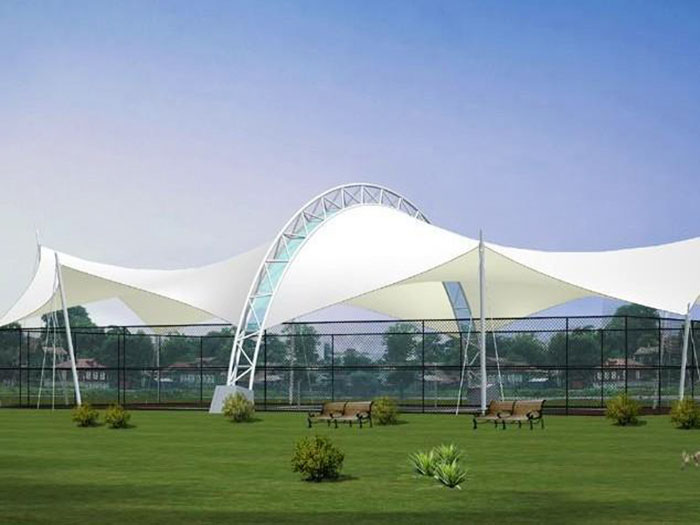
Fabric architecture, most
commonly realized through tensile membrane structures, is a method of
construction where a fabric membrane is stretched and supported by a steel
framework, cables, or air pressure to create a roofing or cladding system.
Unlike traditional buildings that rely on compression (stacking materials to
bear weight), tensile structures work in a state of constant tension. This
fundamental difference allows them to span vast distances with incredible
lightness and efficiency.
These structures are
characterized by their ability to enclose space without the need for bulky
internal columns, creating open, fluid environments that seamlessly blend the
interior with the exterior. From the iconic canopies of international airports
to the elegant shade structures in local parks, fabric architecture is
reshaping how we interact with the built environment.
The Core Principles: Why
Choose Tensile Fabric?
The growing popularity of tensile
structures across the Indian subcontinent is no accident. Their versatility,
durability, and aesthetic nature offer a unique combination of benefits that
traditional materials struggle to match.
1. Unparalleled Design Freedom
The fluidity of fabric allows
architects to break free from the constraints of rectilinear design. With
tensile structures, you can achieve sweeping curves, hyperbolic paraboloids,
conical forms, and intricate geometric patterns that would be prohibitively
expensive or structurally impossible with conventional materials. This design
flexibility means that whether you need a marquee tensile structure for a
luxury event or a bespoke canopy for a commercial complex, the possibilities
are virtually limitless.
2. Structural Efficiency and
Lightweight Nature
Tensile fabric structures are
incredibly lightweight, often weighing only 1% of traditional roofing
materials. This reduces the load on the supporting structure and foundation,
leading to cost savings in steel and concrete. This efficiency allows them to
cover large spans—like stadiums, amphitheatres, and transportation hubs without
intermediary columns, creating unobstructed, airy spaces.
3. Durability and Weather
Resistance
Modern architectural fabrics are
high-tech composites designed to withstand the harshest elements. At Archway
Tensile, we utilize materials engineered to endure extreme weather conditions,
from heavy monsoon rains and high winds to the harsh UV rays of the Indian sun.
They are also coated to be self-cleaning, ensuring that the structure retains
its aesthetic appeal with minimal maintenance.
4. Sustainability and Energy
Efficiency
In an era of climate
consciousness, fabric architecture offers significant environmental advantages.
The high translucency of many membranes reduces the need for artificial
lighting during the day, harnessing natural light to create bright, welcoming
spaces. Furthermore, their ability to optimize natural ventilation can reduce
the reliance on energy-intensive air conditioning systems, contributing to a
lower carbon footprint.
The Materials Behind the Magic
The "fabric" in fabric
architecture is a far cry from the cloth in your clothes. It is a high
performance engineered material, typically consisting of a woven base cloth
coated with a protective polymer.
PVC Coated Polyester: This
is one of the most common materials used in tensile structures. It offers an
excellent balance of strength, flexibility, and cost effectiveness. The PVC
coating protects the polyester base from UV rays, moisture, and mildew.
PTFE (Polytetrafluoroethylene)
Coated Fiberglass: PTFE is the premium choice for permanent, high-end
structures. It is incredibly durable, with a lifespan of over 30 years. It is
non-stick, self-cleaning, and has excellent fire-resistant properties. Its high
translucency allows for stunning light diffusion, creating a soft, natural glow
within the space, as seen in projects like "The Link" walkway in
Australia.
ETFE (Ethylene
Tetrafluoroethylene): While technically a foil rather than a fabric, ETFE is a
key player in lightweight architecture. It is highly transparent, lightweight,
and fully recyclable, often used in multi layered cushion systems for superior
insulation.
The Archway Tensile Approach:
Engineering Excellence
At Archway Tensile, we view each
project as a unique opportunity to push the boundaries of design and
innovation. Our process is deeply collaborative, working hand-in-hand with
architects, designers, and builders to translate visionary concepts into physical
realities.
Our philosophy is rooted in
Kaizen a commitment to continuous improvement. We constantly re-engineer our
processes, adopt advanced techniques, and use the highest quality materials to
ensure that every project is not only long-lasting and eco-friendly but also a
masterpiece of craftsmanship.
Diverse Applications Across
India
The versatility of tensile
structures makes them ideal for a wide array of applications. Across India,
from the bustling streets of Mumbai to the planned cities of the north, Archway
Tensile is transforming spaces:
Commercial Complexes: Creating
inviting atriums, food courts, and entrance canopies that draw people in.
Car Parking Sheds: Offering
durable, aesthetically pleasing alternatives to drab concrete parking
structures, providing protection from the elements while maintaining an open,
secure feel.
Stadiums and Sports
Facilities: Providing vast, column-free coverage for spectators,
enhancing the acoustic and visual experience of events.
Hospitality and Residential: Adding
a touch of modern elegance to hotel poolside, restaurant terraces, and private
gardens with tensile gazebos and retractable roofs.
Public Infrastructure: Shading
walkways, bus stops, and plaza areas, creating comfortable public gathering
spaces in urban environments.
Fabric architecture represents a
paradigm shift in construction. It is an architecture of efficiency,
sustainability, and sculptural beauty. As we look to the future, the demand for
spaces that are both functional and inspiring will only grow. Tensile structures,
with their unique ability to create iconic landmarks that are also
environmentally responsible, are perfectly positioned to meet this demand.
At Archway Tensile, we are proud
to be at the forefront of this movement in India. We don’t just manufacture
tensile structures; we bring architectural dreams to life. Whether it's a
breathtaking canopy for a luxury hotel or a durable, cost-effective shed for a
parking facility, our commitment to quality and innovation ensures that every
structure we create is an ode to the limitless potential of fabric
architecture.
Ready to explore the
possibilities for your next project? Contact Archway Tensile today, and let's
stretch the limits of design together.